The “WTF” Fact: The 3,000-Year-Old “Portable Fortress”
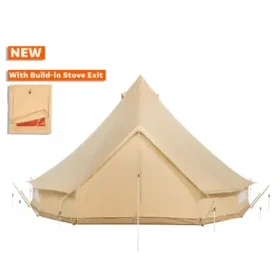
The CanvasCamp Sibley ProTech 500 Bell Tent proves that while modern “tacticool” nylon tents are designed for a weekend, canvas is designed for a generation. The “WTF” reality? The Roman tabernaculum—the leather and canvas tents used by legions to conquer the known world—used the same breathability and thermal mass principles we use today. While the “Mainstream” pushes thin, synthetic shells that trap condensation and shred in high winds, the ancients knew that heavy-duty cotton canvas is a living membrane. I deployed the Sibley 500 to see if it could serve as a semi-permanent “off-grid” node or if it’s just a glorified glamping prop.
1. The Survival Hack: The “Thermal Mass” Protocol
Synthetic tents have zero R-value; they are ovens in the summer and iceboxes in the winter. The “Standard Hack” is a space heater. The Intel Hack is the “Hygroscopic Buffer.”
Protocol: Canvas regulates its own micro-climate. In high humidity, the fibers swell to seal the weave against rain; in dry heat, they contract to allow airflow. By utilizing the Sibley’s integrated stove jack, you can run a small wood burner to create a “Dry-Zone” that leeches moisture out of your tactical gear and prevents “Boot Rot” in long-term field ops.
2. The 3-Point Audit (The “Intel Sweep”)
- The Pro-Grade Shield: The 100% cotton canvas is treated for water, mold, and UV resistance. Unlike nylon that degrades under “Sun-Rot” in six months, this canvas is built for multi-year deployment in harsh environments.
- The “Batten Down” Chassis: It features a heavy-duty, “rip-stop” PVC groundsheet that zips directly to the tent. This creates a bathtub-seal against floodwater and ground-level pests, turning your base camp into a sterile environment for comms and medical prep.
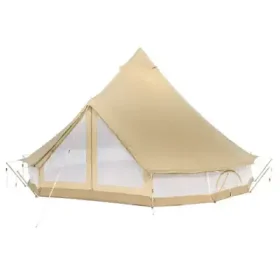
- The 360-Degree Recon: The Sibley 500 “Protect” model allows you to roll up the side walls completely. This provides maximum ventilation and 360-degree visibility of your perimeter while maintaining a roof-shield against overhead UV or precipitation.